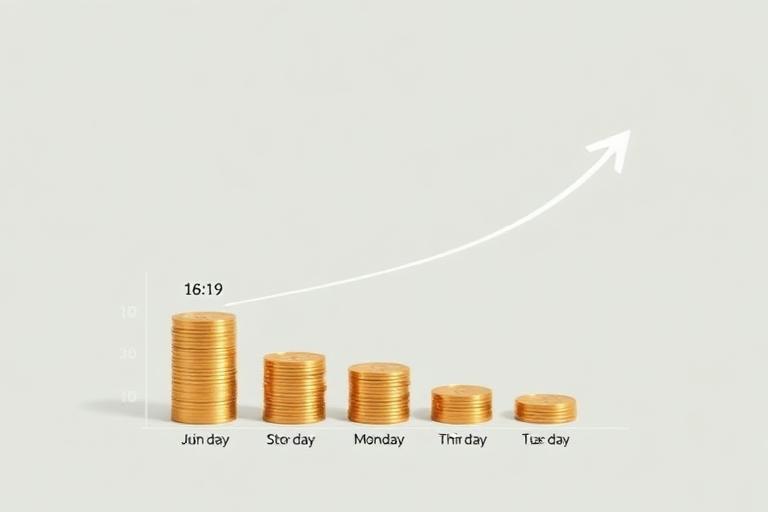
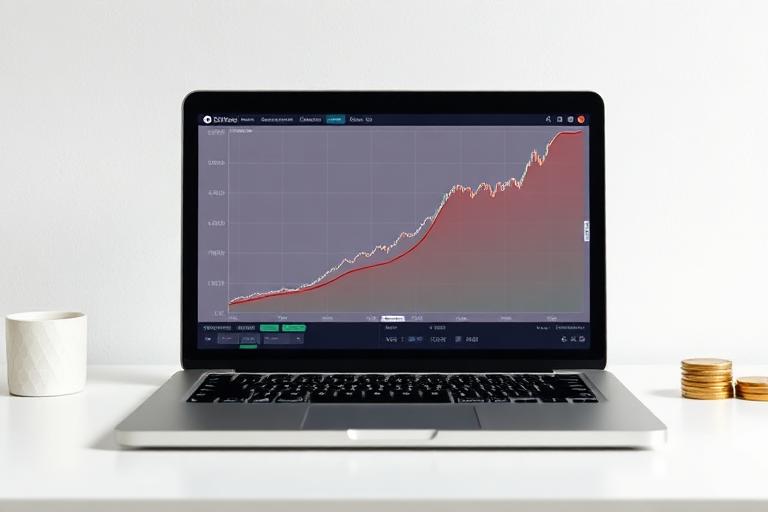
The arithmetic of a compounding trading account is not in dispute. Apply a consistent percentage gain often enough and the curve becomes steep quickly. The problem is the assumption underneath it, because a fixed daily percentage is a description of an outcome, not a strategy that produces one, and small changes to that assumed figure change the projected total by orders of magnitude.
That sensitivity is the first thing to understand, and it is best understood by experiment. Take a daily gain assumption you consider realistic, project it over a year in the forex compound calculator, then halve it and look again. If a plausible input and a slightly less plausible one give wildly different futures, the projection is telling you about the model rather than about your account.
Losses are the asymmetry that makes trading different from a savings product. A fall of a given percentage needs a larger percentage gain to recover from, and the gap widens fast as the loss deepens. Compounding amplifies both directions, so the same mechanism that builds the account is the one that makes a deep drawdown so hard to climb out of. This is the arithmetic reason that capital preservation is discussed more than entry signals by people who have been doing it a long time.
Position sizing is where that arithmetic becomes a decision. Risking a fixed fraction of the current balance means the amount at stake falls automatically after losses and rises after gains, which is what keeps a losing run survivable. The guides here treat sizing and risk management as the substance rather than the disclaimer, because for a compounding account they are the substance.