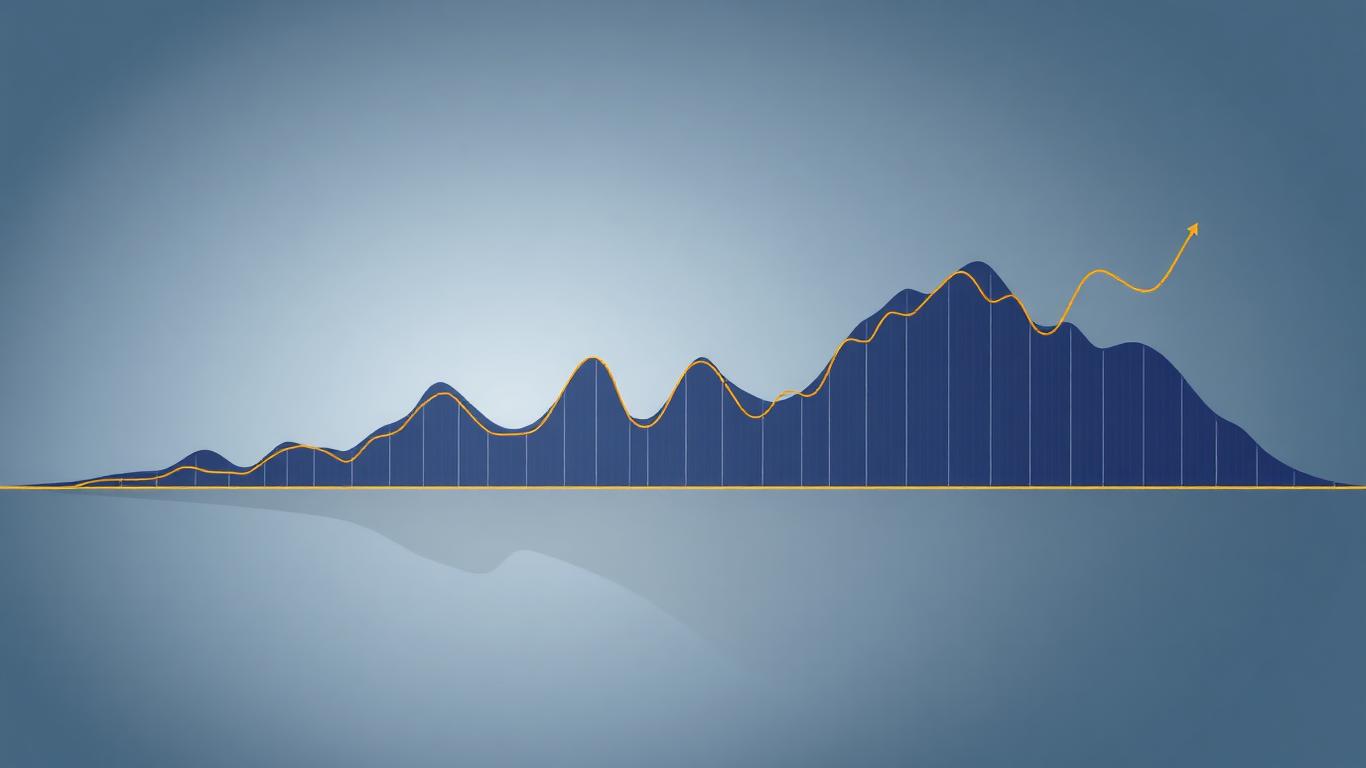
Volatility is the price of admission for higher long term returns. The same market that produces strong growth across decades can produce uncomfortable short term drawdowns.
Time horizon changes the game
Short horizons magnify the impact of bad timing. Longer horizons give markets time to recover and give you time to add contributions when prices are lower.
Sequence risk is highest near withdrawals
If you’re withdrawing (retirement, SWP), early losses can permanently damage the plan. That’s why conservative assumptions and buffers matter most near drawdown.
Use calculators to connect horizon and goals
For accumulation, the SIP Calculator helps you see how time and contributions interact. For drawdown planning, the SWP Calculator helps you estimate sustainability under different assumptions.
Practical takeaways
- Match risk level to time horizon, because short goals need more stability.
- Avoid building plans that require perfect timing.
- Stress test return assumptions, especially near withdrawals.
- Consistency (and time) is often more powerful than optimization.
Bottom line
Time is not just a growth tool. It is also a risk management tool. The longer your horizon, the more likely compounding can do its job.
FAQ
Does volatility decrease over time?
Why is sequence risk important for retirees?
How do I choose the right horizon for a goal?
Can SIP reduce volatility risk?
How do I stress test a plan?
Next step
Use the calculators to model your scenario with consistent assumptions, then compare outcomes across time horizons and contribution plans.